Haunted Nature
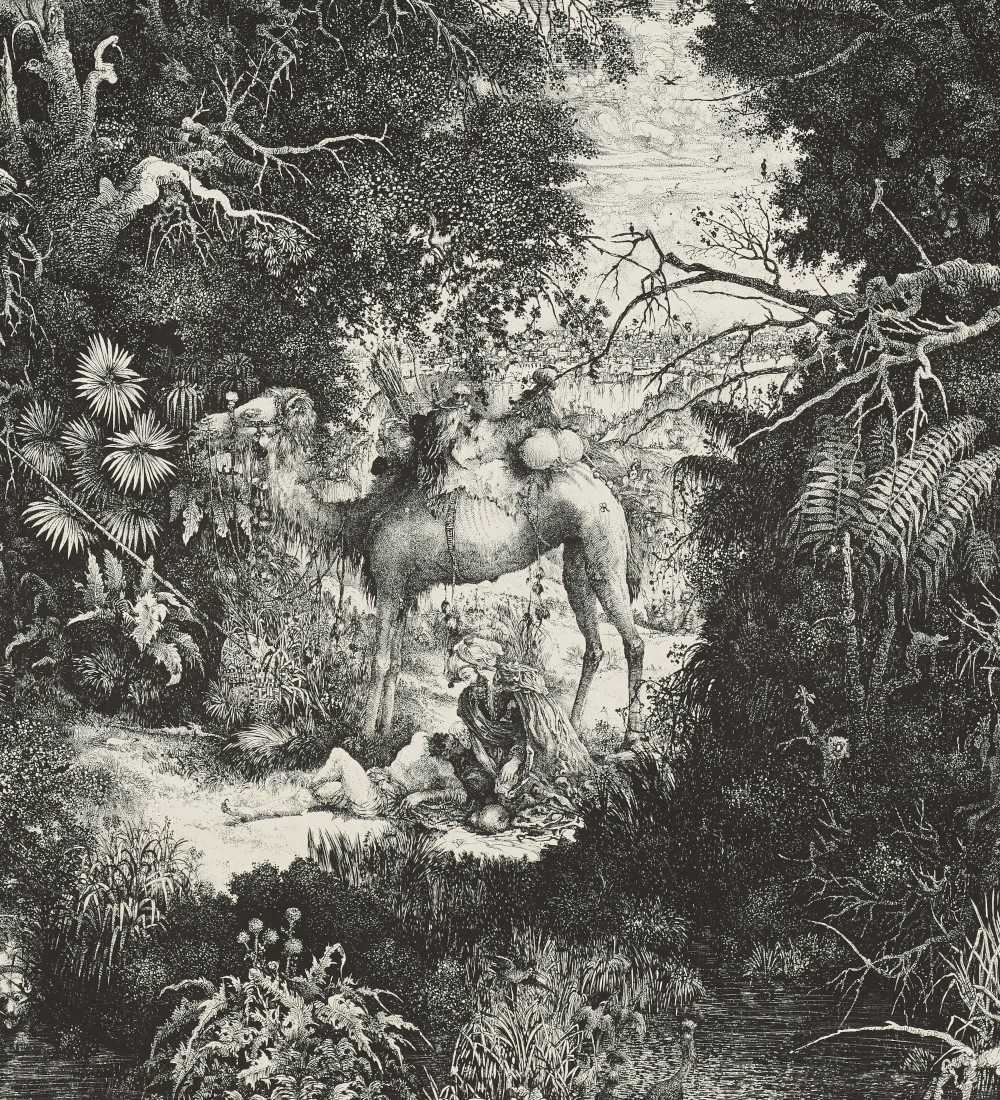 Rodolphe Bresdin, The Good Samaritan, 1861, lithograph on paper. The Clark, 1967.8
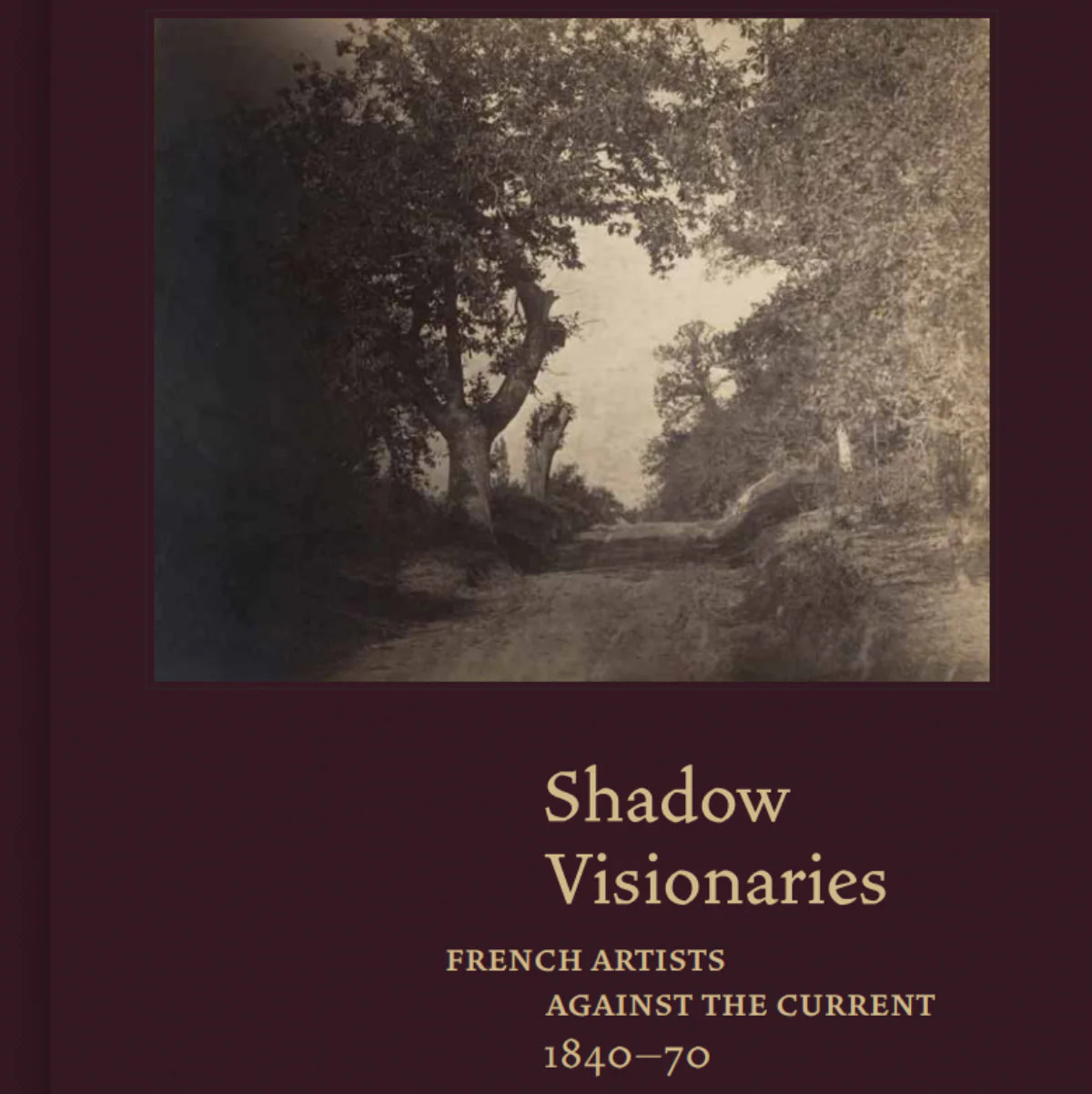
By the 1850s, the Forest of Fontainebleau was cherished by artists as a space of natural wonder and a refuge from rapidly modernizing Paris, about forty miles away. While Fontainebleau is strongly associated with the Barbizon painters’ elevation of the landscape genre in France, the site also inspired printmakers and photographers to seek new expressive means in their respective media.
The Shadow Visionaries did not see nature as an ever-bountiful, all-nurturing force as their Romantic forebears had done.
Emphasizing qualities of darkness and shadow, artists such as Gustave Le Gray and Rodolphe Bresdin brought a haunting, eerie vision of tangled thickets and gnarled trees rather than verdant prospects and welcoming glades.
They knew already that their beloved Forest of Fontainebleau was a sanctuary under imminent threat; day-trippers choked the sylvan paths even as loggers chopped down centuries-old trees. Nature needed protection as much as it offered it.