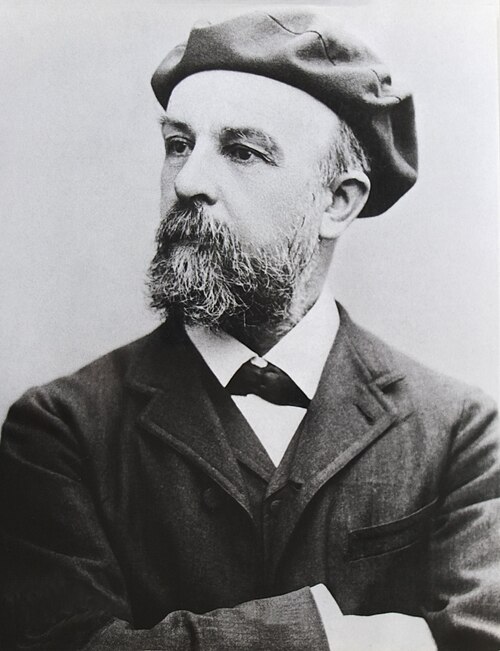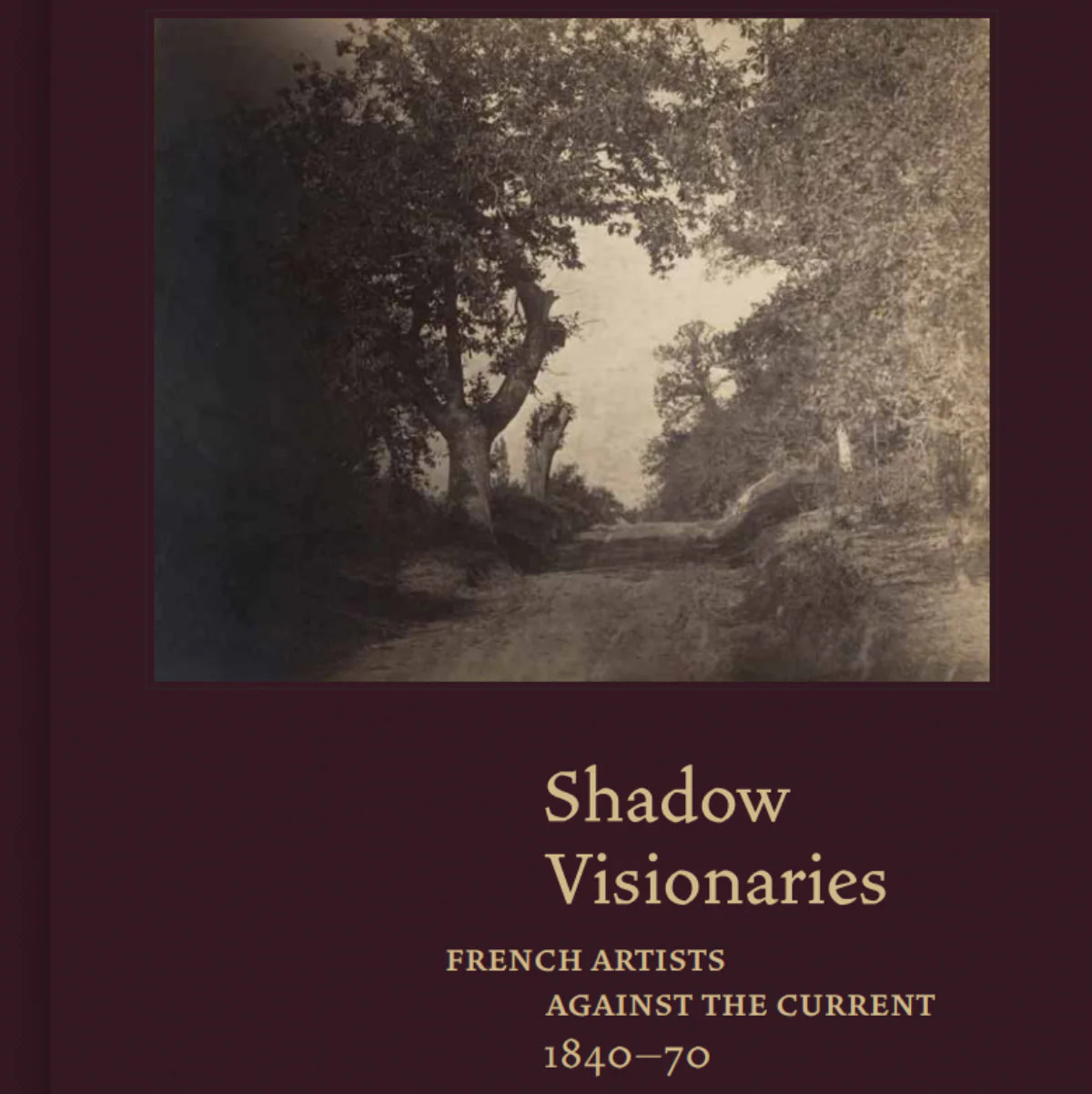
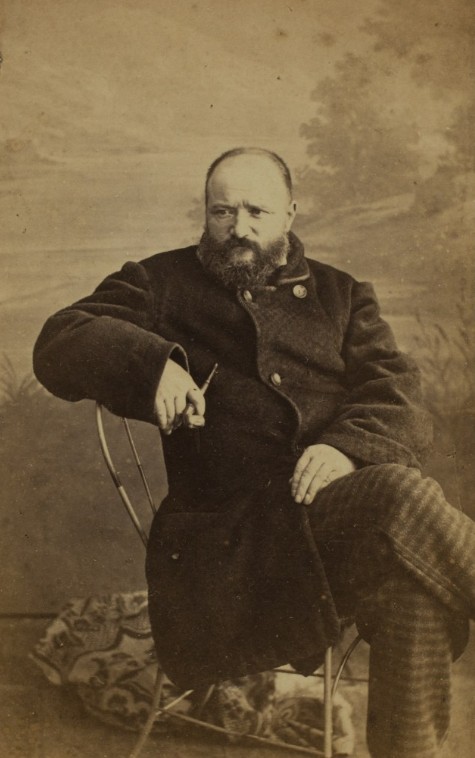
Artist Bios
Rodolphe Bresdin was a French lithographer and draughtsman known for his fantastical, densely detailed prints that combined Romantic mysticism with grotesque, dreamlike imagery. Born in Montrelais, Loire-Atlantique, he spent much of his life in poverty, living in various parts of France including Paris and Toulouse, and later in the countryside near Sèvres. He was known as a hermit, and one of his most important relationships was the one he had with his pet rabbit. His intricate works—such as Le Bon Samaritain (1861)—depict strange landscapes teeming with gnarled trees, hybrid creatures, and decaying architecture, all rendered with obsessive precision with a specially-adapted fine-tip lithography pen. Though relatively obscure during his lifetime, Bresdin was admired by writers like Baudelaire, Hugo, and Huysmans, and had a lasting influence on the Symbolist movement, particularly through his mentorship of Odilon Redon. He died in Sèvres in 1885. Today, he is recognized as a visionary artist whose knack for detail pushed the limits of lithography as a medium.
François Chifflart was a French etcher, painter, and illustrator who created dramatic, emotionally charged works that combined Romantic intensity with social and political critique. Trained at the École des Beaux-Arts, Chifflart became an important figure in the 19th-century Etching Revival—a movement that sought to elevate etching as a fine art rather than merely a reproductive technique. His detailed and expressive etchings often illustrated literary and historical subjects, and he contributed regularly to contemporary publications and etching societies, helping to popularize the medium. He also illustrated Victor Hugo’s novels. Chifflart was deeply engaged in the vibrant Parisian artistic circles of his time, but his reputation suffered after his public criticisms of Napoleon III. Although not widely known today, Chifflart’s powerful style influenced the emerging Symbolist movement and reflects the turbulent spirit of 19th-century France.
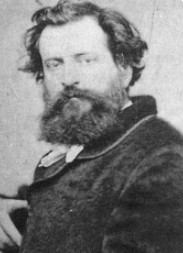
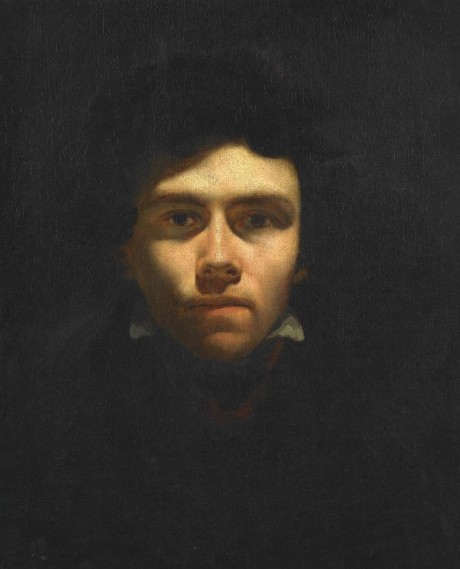
Eugène Delacroix was born near Paris in Charenton-Saint-Maurice and went on to become a leading figure of the Romantic movement. He was renowned for his vibrant use of color and dynamic compositions, and for works that combined emotional intensity with dramatic historical and literary themes. His iconic paintings such as Liberty Leading the People (1830) and The Death of Sardanapalus (1827) challenged the classical traditions of his time and influenced subsequent generations of artists. Delacroix was also active as a lithographer and illustrator, contributing to contemporary publications and elevating printmaking as an art form. His travels to North Africa inspired a vivid Orientalist style that popularized new colors and motifs within European art. He died in Paris in 1863. His bold brushwork and innovative palette heralded later movements like Impressionism and Symbolism.
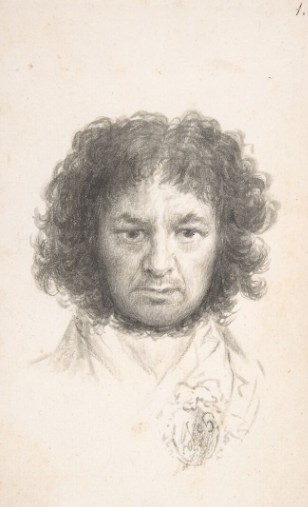
Francisco José de Goya y Lucientes was a Spanish painter and printmaker born in Fuendetodos, near Zaragoza. One of the most influential artists of the late 18th and early 19th centuries, Goya is especially celebrated for his prints, combining technical mastery with searing social and political critique. His series Los Caprichos (1799) satirized the follies and corruption of Spanish society, while The Disasters of War (1810–1820) starkly depicted the brutal realities of the Peninsular War. Goya spent most of his life in Madrid, serving as a court painter, but his outspoken views and critical works made him increasingly at odds with the restored conservative monarchy after the Napoleonic Wars. In 1824, facing political repression under King Ferdinand VII’s absolutist regime, Goya went into voluntary exile in Bordeaux, France, where he died in 1828.
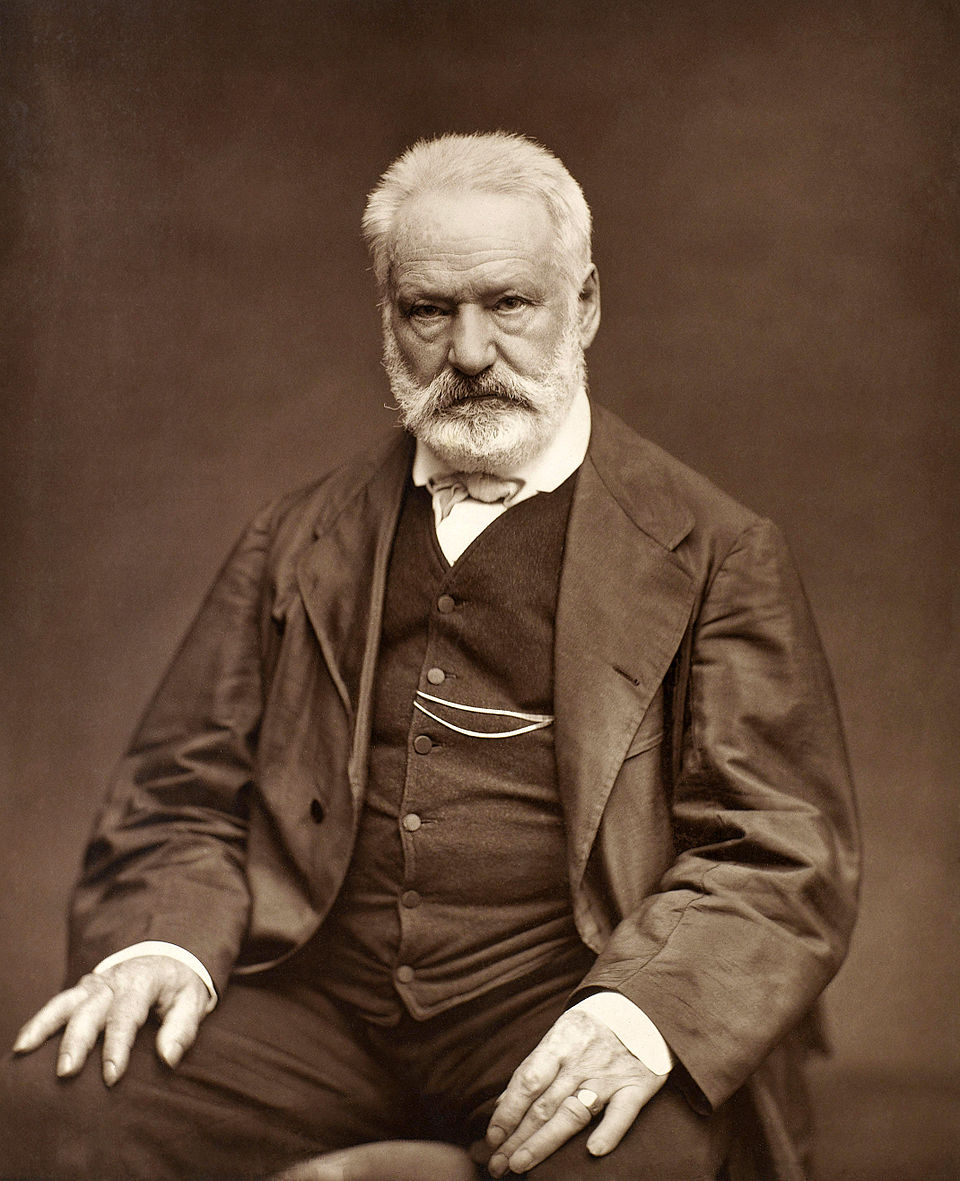
Victor Hugo was a towering literary figure, deeply involved in the political and cultural life of 19th-century France, though best known as a poet, novelist, and playwright. His works such as Les Misérables and The Hunchback of Notre-Dame have become classics of world literature. Internationally famous as an author, Hugo was also a passionate and prolific visual artist, especially in his later years. His drawings and sketches—often created during periods of exile—are notable for their experimental, visionary qualities. Executed primarily in ink and watercolor, his images range from dramatic landscapes and fantastical scenes to abstract, proto-Surrealist compositions. Though less widely known than his writing, Hugo’s drawings reveal a restless creativity and a desire to explore the limits of imagination, ensuring his legacy as an important, if unconventional, figure in 19th-century visual art.
Gustave Le Gray was a pioneering French photographer who played a crucial role in advancing 19th-century photographic techniques and aesthetics. Initially trained as a painter, Le Gray brought an artistic sensibility to photography and emphasized the medium’s capacity for poetic expression. He is best known for his innovative work in landscape photography, particularly his dramatic seascapes and skies, where he mastered the difficult technique of combining multiple negatives to capture detailed skies and seas with balanced exposure. Le Gray taught and influenced a generation of photographers. He contributed to the growing recognition of photography as a fine art through his technical improvements to waxed paper negatives and albumen prints. Later in life, he traveled to Egypt and Lebanon, creating some of the earliest photographic records of the Middle East. Le Gray died in Cairo in 1884.
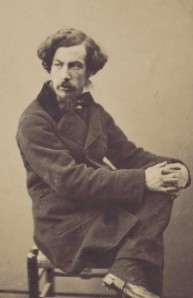
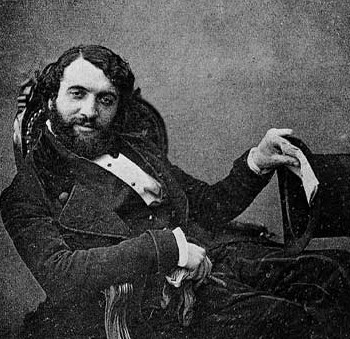
Henri Le Secq was a French photographer and artist known for his significant contributions to early architectural and documentary photography. Born in Paris to a politically involved family and originally trained as a painter and sculptor, Le Secq embraced photography in the 1840s and became a founding member of the influential Société Française de Photographie. He is best known for his precise and poetic images that capture the textures and details of Gothic architecture and Parisian streets with remarkable clarity. Le Secq played a key role in the “mission héliographique” of 1851, a government project to document France’s architectural heritage. The effort helped establish photography as an important tool for preservation and study. Le Secq is remembered as one of the pioneers who helped shape photography as both an art form and a scientific medium.
Alphonse Legros was a French-born artist and printmaker who spent much of his career in England, where he became a key figure in the late 19th-century art world. Legros was renowned for his mastery of works-on-paper techniques, including etching, drawing, and watercolor. His graphic work, characterized by a somber, linear style, encompasses themes from everyday life as well as historical and religious subjects. Legros’s crucial role in the Etching Revival derives from his innovative prints as well as his influential teaching at the Slade School of Fine Art in London. His works display a deep engagement with texture, line, and tonal variation, demonstrating technical virtuosity alongside expressive power. He died in London in 1911, leaving behind a rich legacy as both a gifted artist and a mentor who helped elevate printmaking as a serious artistic discipline.
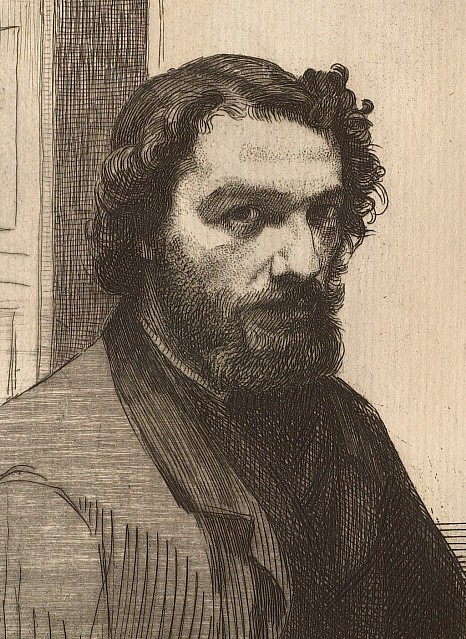
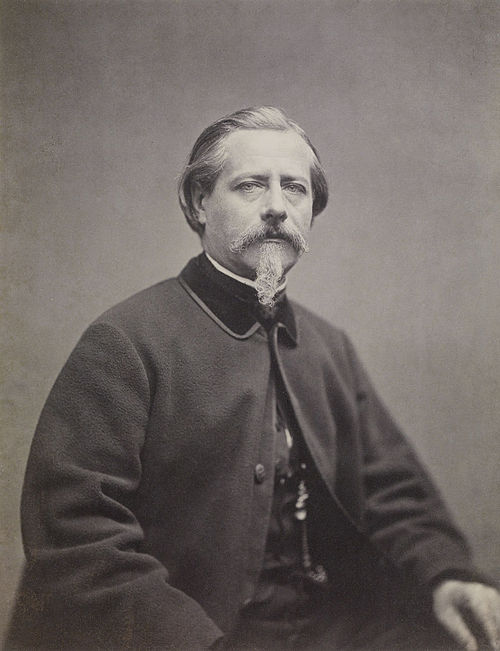
Charles Marville, born Charles François Bossu, was a pioneering French photographer best known for his detailed documentation of Paris before and during its dramatic transformation under Baron Haussmann’s urban renewal. Initially trained as a painter and engraver, Marville turned to photography in the 1850s and quickly became one of the leading architectural and documentary photographers of his time. His work meticulously captured the old streets, buildings, and neighborhoods of Paris, preserving a visual record of a city on the brink of modernity. His precise compositions and rich tonal range highlight his technical skill and artistic vision. Marville died in Paris in 1879, and his legacy lies in his unique blend of documentary rigor and aesthetic sensitivity, making him a foundational figure in 19th-century photography.
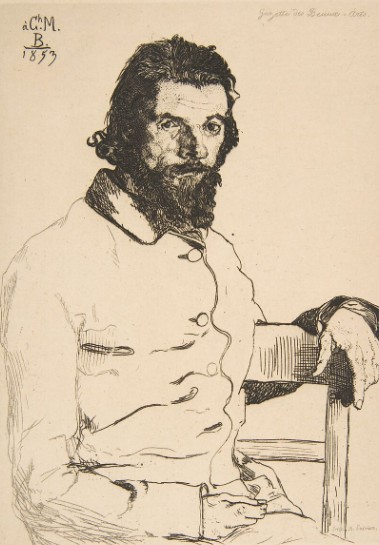
Charles Meryon was a French etcher renowned for his haunting and meticulously detailed prints of Parisian architecture. Meryon developed a distinctive style that combined precise line work with a moody, often Gothic atmosphere, capturing the city’s bridges, cathedrals, and streets with a blend of realism and melancholy. He is closely associated with the Etching Revival, and indeed his works in that medium stand out as some of the most evocative images of 19th-century Paris. Meryon’s most celebrated achievement, the series Eaux-fortes sur Paris (Etchings of Paris), illustrated the changing urban landscape amid modernization. His career was marked by personal and financial difficulties, however. Suffering mental illness throughout his life, Meryon died in a psychiatric hospital in 1868. Despite his sad end, his prints profoundly influenced later generations of artists and helped elevate etching as a serious art form.
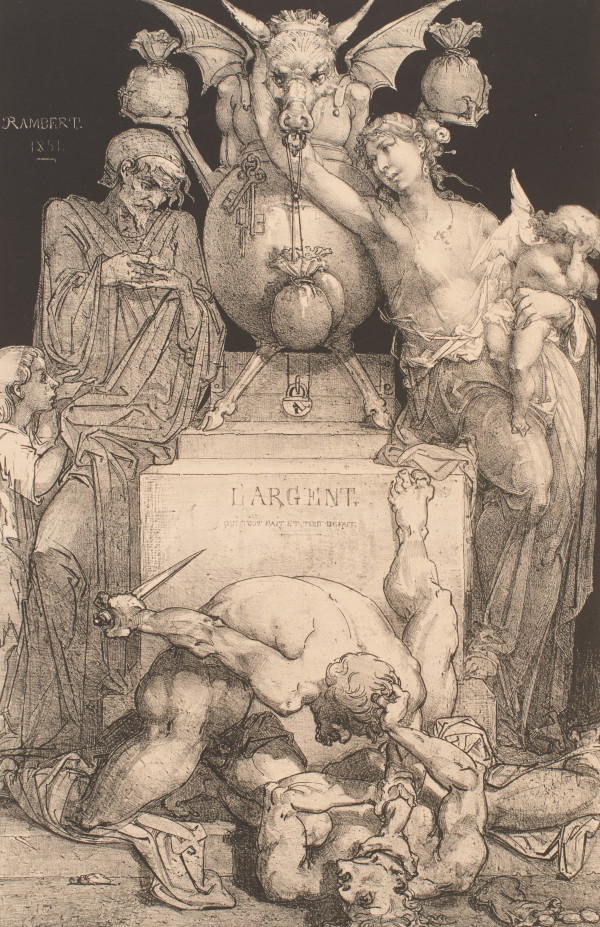
Charles Rambert was a French artist and printmaker whose life was as enigmatic as his work. Sources disagree upon his birth date, but it was likely around 1820. Most known examples of Rambert’s work were created between 1848 and 1855. His artistic activity seems to have fallen into two major categories: macabre lithographic portfolios depicting the vices and failings of humanity, and designs for decorative objects, ornaments, and metalwork. The events of his life remain largely unknown. A doctor who met Rambert at the dissection pavilion of the École des Beaux-Arts around 1853 recalled him later as intense, morose, and deeply philosophical, and noted that he died in a Paris hospital in a state of madness. Rambert’s death date, also unknown, was probably in the late 1860s or early 1870s.
Odilon Redon was a French Symbolist painter, printmaker, and draftsman born in Bordeaux. Redon gained recognition for his charcoal drawings and lithographs, which explored themes of fantasy, mythology, and the subconscious, and which often include mysterious creatures and ethereal, liminal landscapes. His work reveals a deep interest in the symbolic and spiritual dimensions of art, making him a key figure in the Symbolist movement. His rich oeuvre continues to captivate with its visionary exploration of inner worlds and dreams. Influenced by mentors like Rodolphe Bresdin, Redon likewise inspired later artists, including the Surrealists. His use of vivid color in pastels and oils evolved later in his career, but his black-and-white works on paper known as noirs remain central to his legacy for their poetic intensity and technical innovation. He died in Paris in 1916.