World War II and the Atomic Age
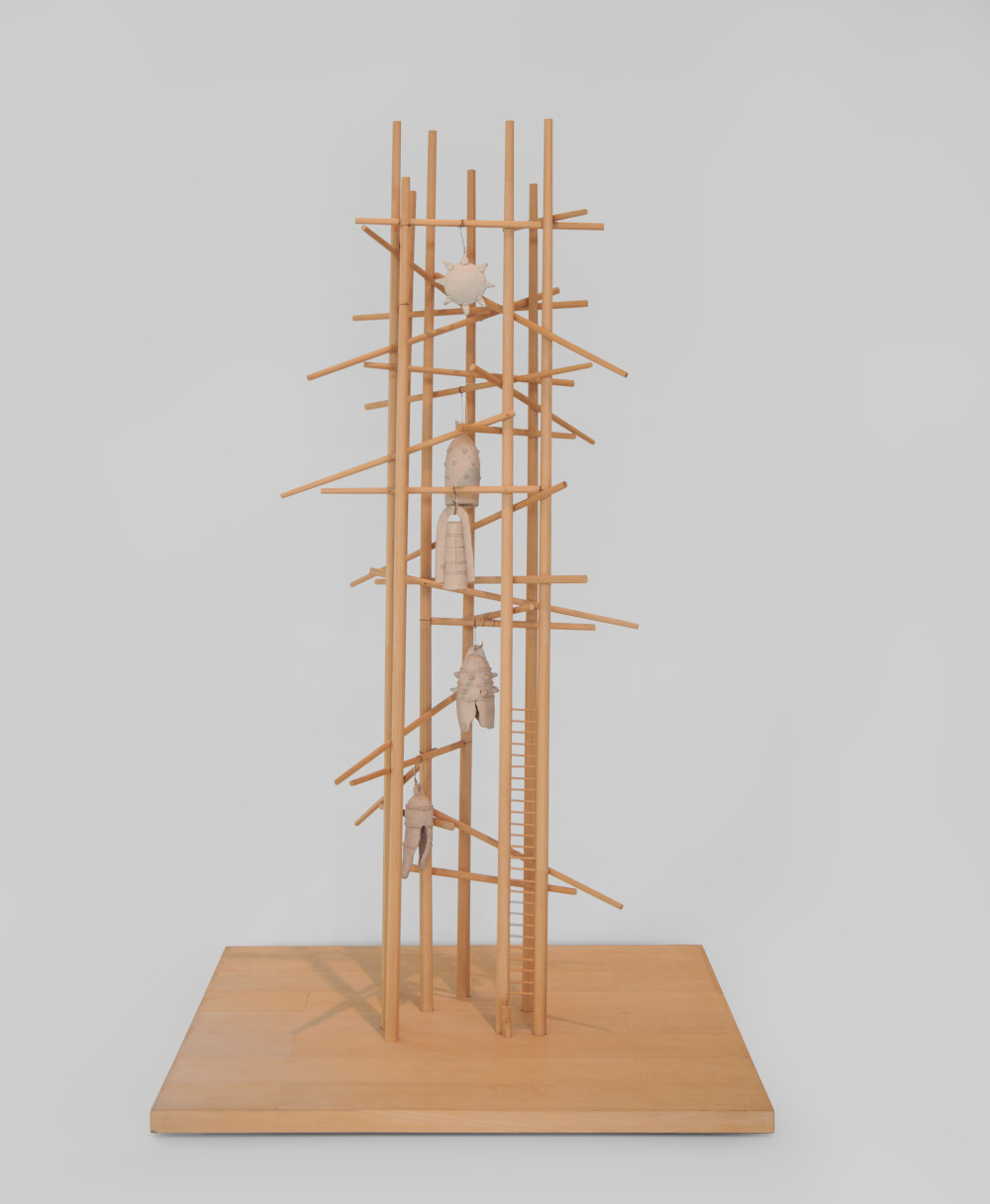
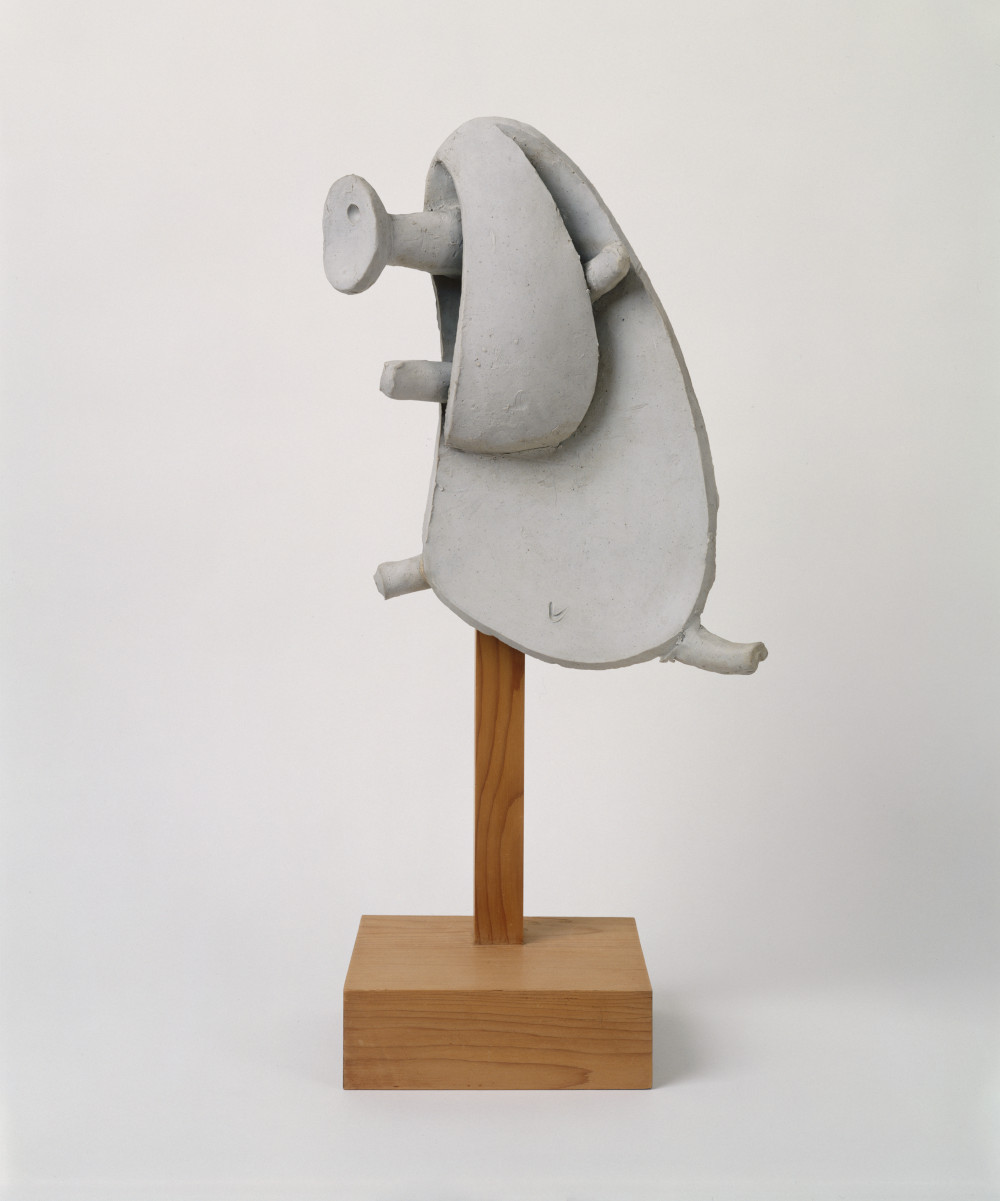
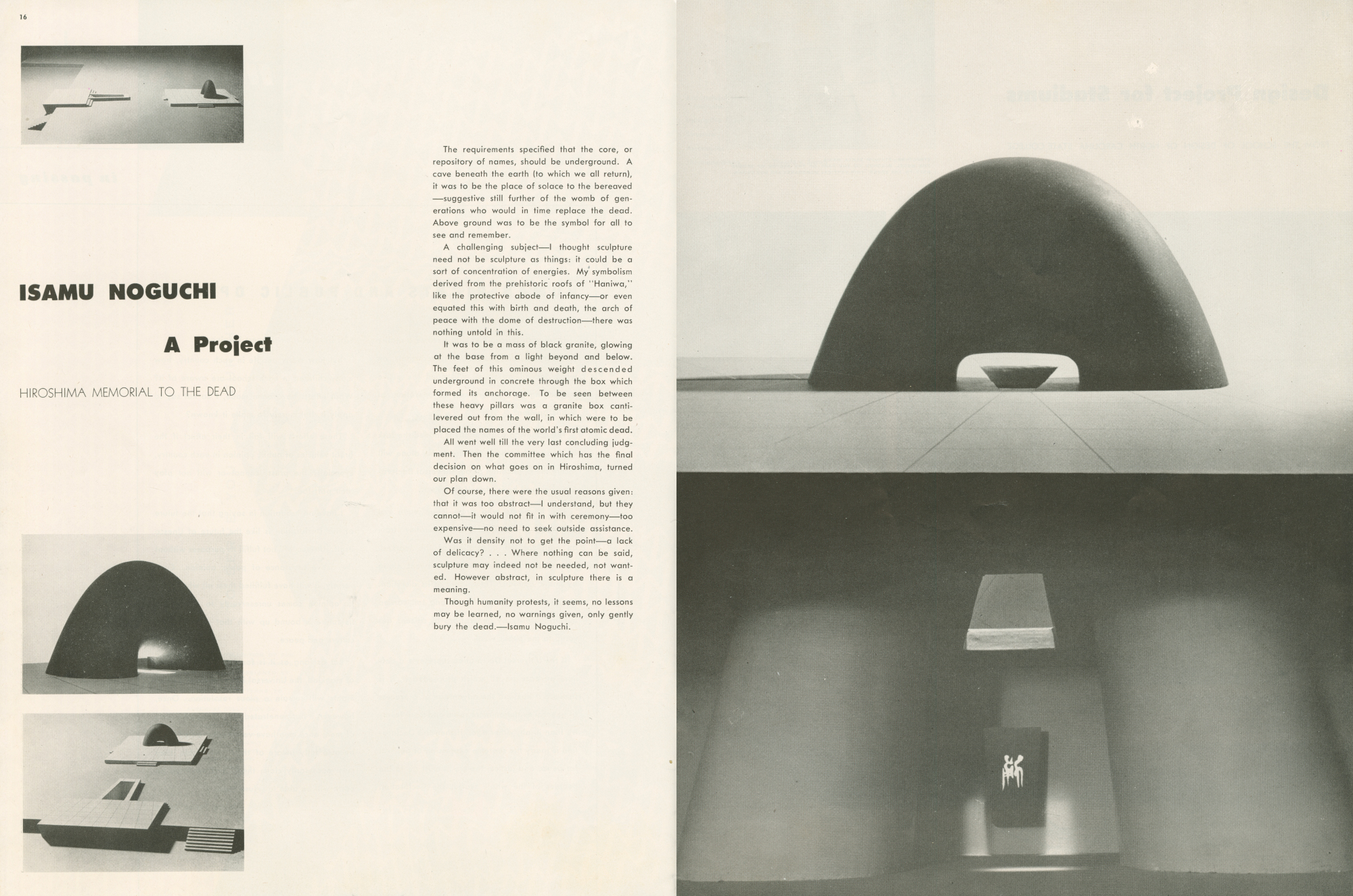
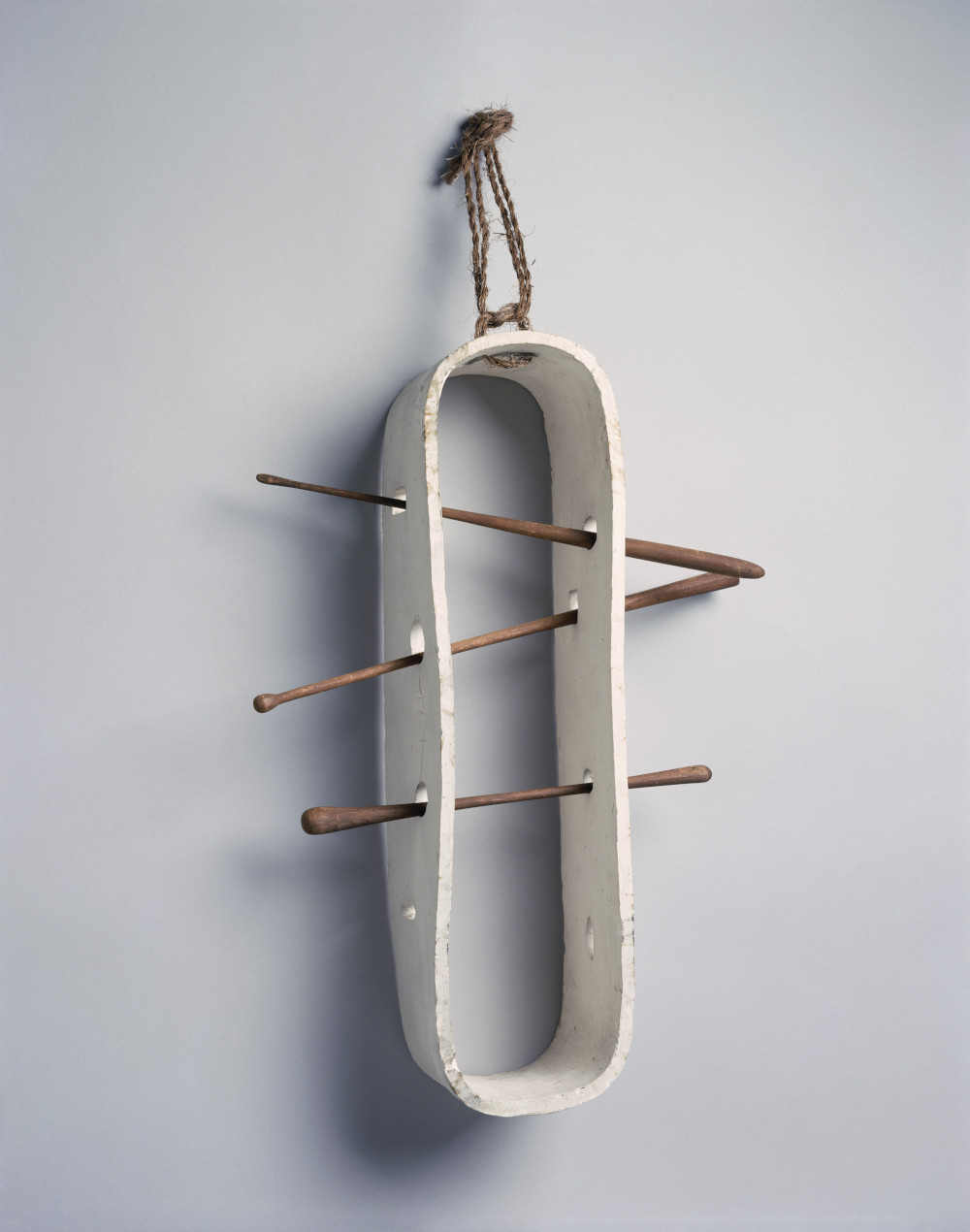
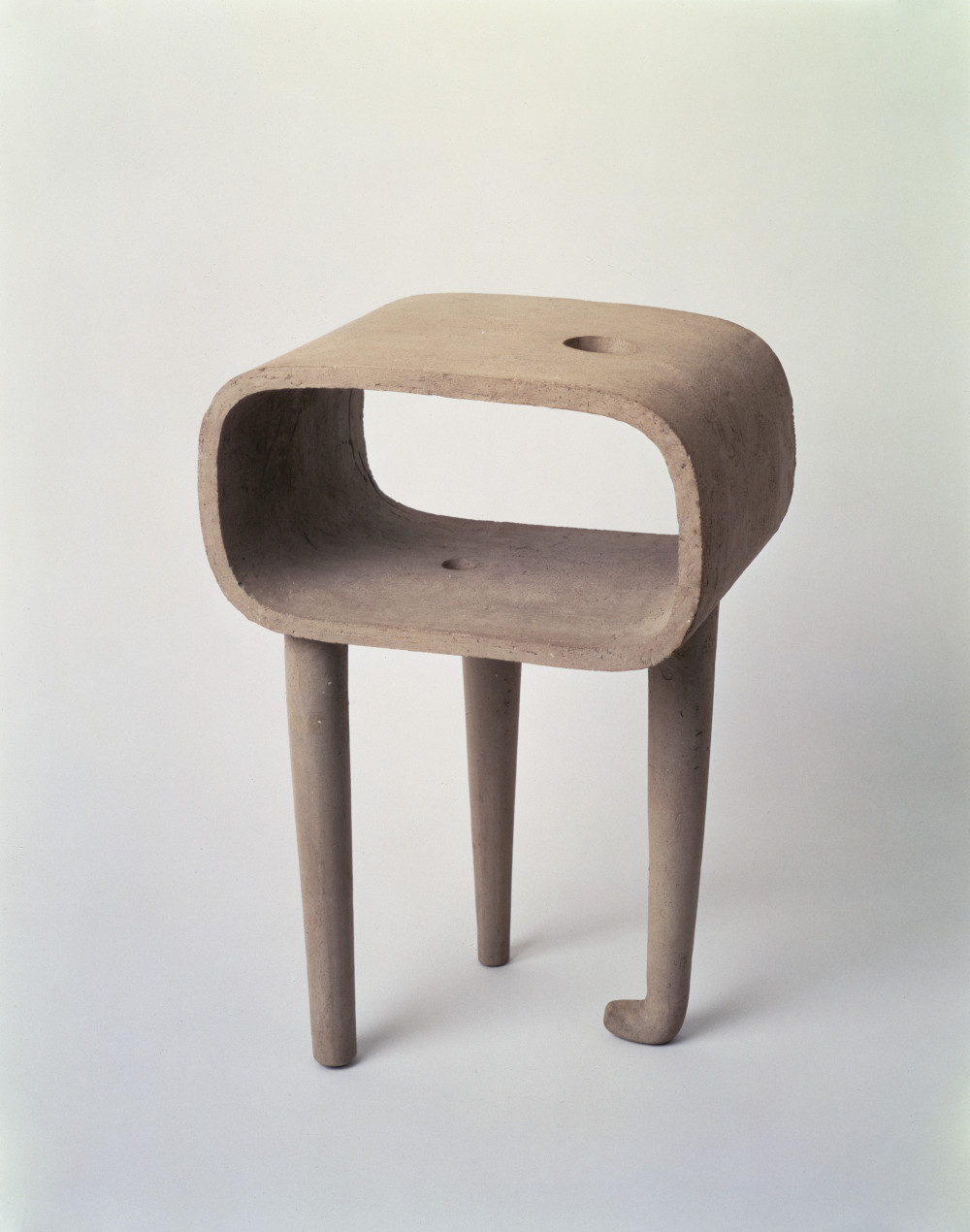
Noguchi was deeply affected by the events of World War II, a sentiment amplified by his own complex background as the son of a Japanese father and an American mother. In response to the death and destruction of this period, the artist began a series of works that reckon with how humans remember the past and memorialize loss. These include his ultimately unrealized proposals for the devastated city of Hiroshima: Bell Tower for Hiroshima (1950 unrealized model; partially reconstructed 1986), a seventy‐foot fragmented structure with dangling bells sourced from around the world, and Memorial to the Dead, Hiroshima, a cenotaph and underground crypt honoring those killed by the atomic bombs. The latter sculpture, as well as a series of slab ceramic works made around the same time, purposefully allude to haniwa, ancient Japanese burial sculptures that had long interested Noguchi, and which he found solace in remaking in the postwar present.
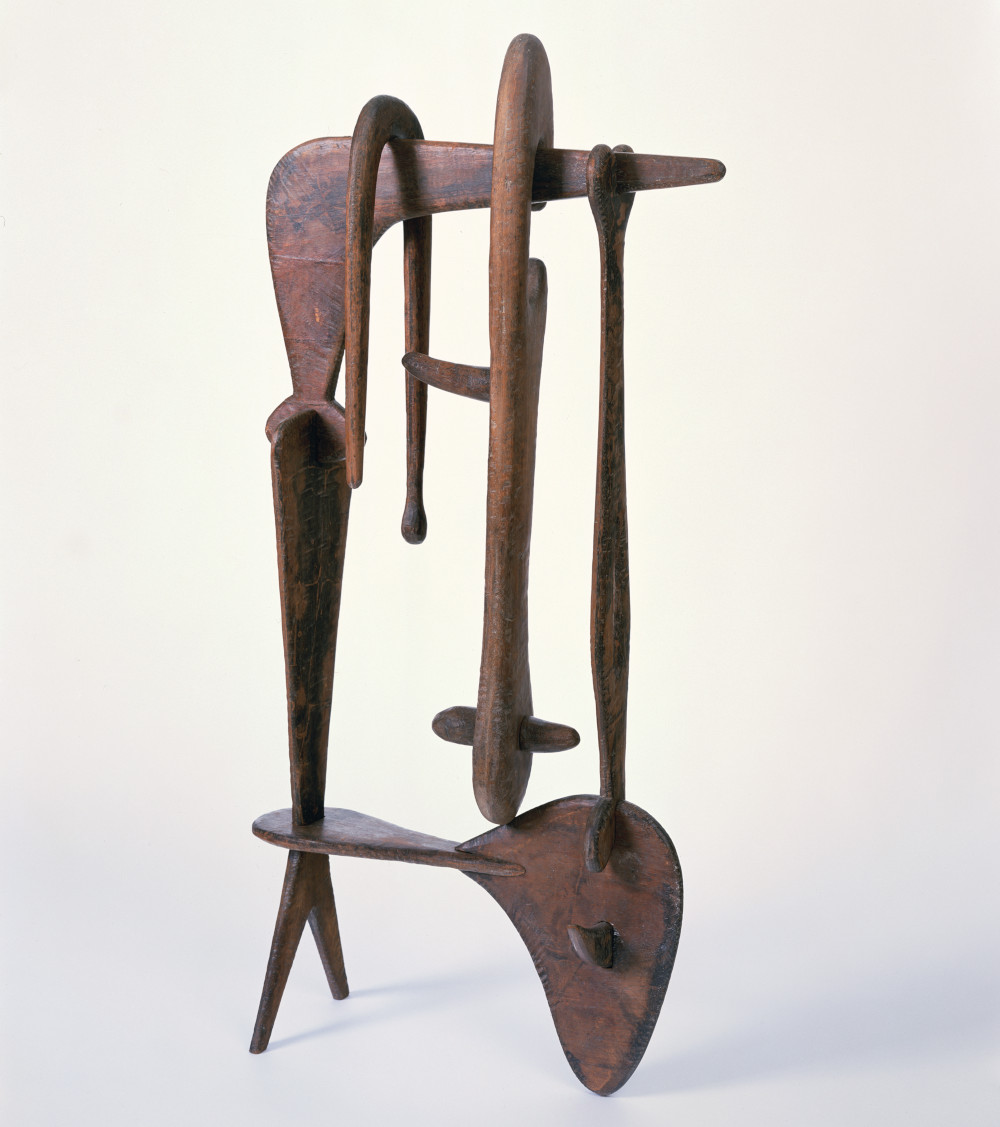
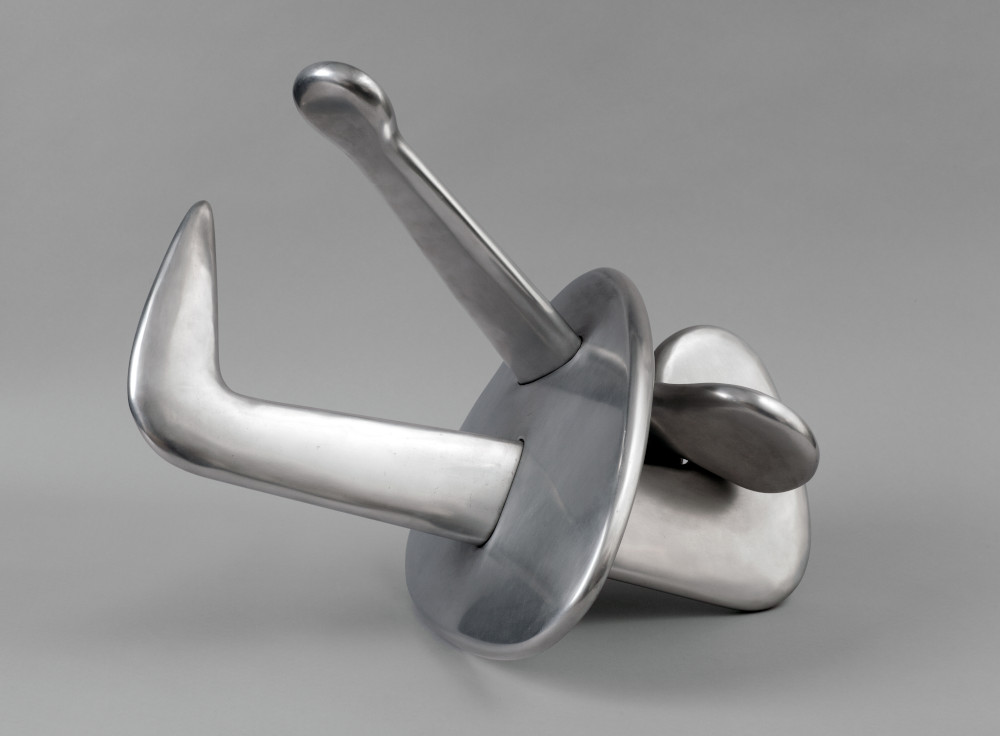
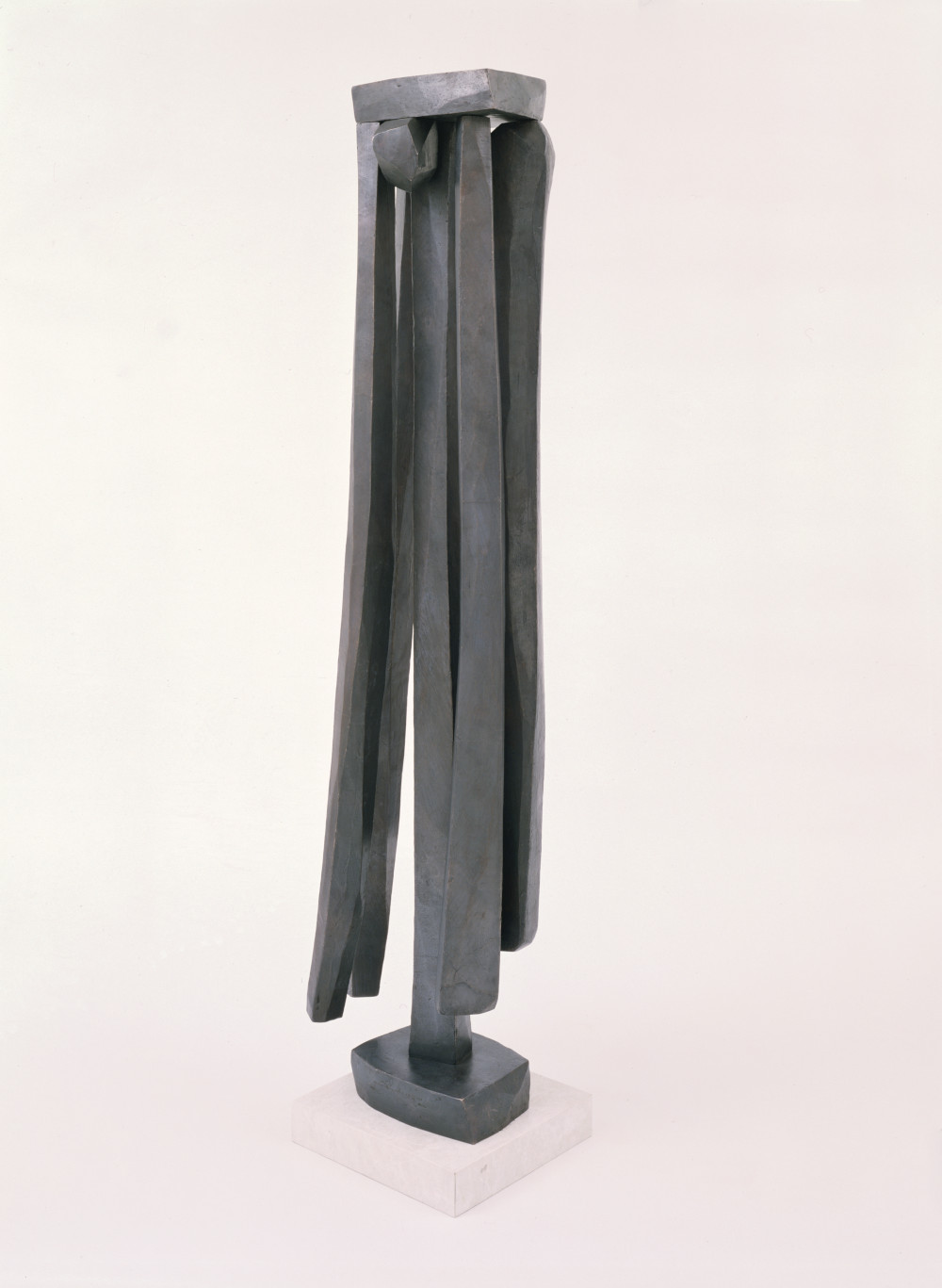
In the postwar years, while reckoning with the existential threat of atomic warfare, Noguchi produced a series of works in which interlocking fragments are held tenuously together by gravity alone. While Remembrance (Mortality) (1944) palpably expresses the fragility of human existence, The Seed (1946; fabricated c. 1979) extends hope that new life might spring from the shards of the past. He originally constructed The Seed using thin sheets of marble, but later reproduced it in highly polished aluminum, recasting it with a gleaming modernity. In later years, he continued to create carefully composed yet fragmented sculptures like Mortality (1959; cast 1965), describing the hanging components of these sculptures as “arrested pendulums” giving form to his “preoccupation with time (and resonance).”