

Vessels and Voyages
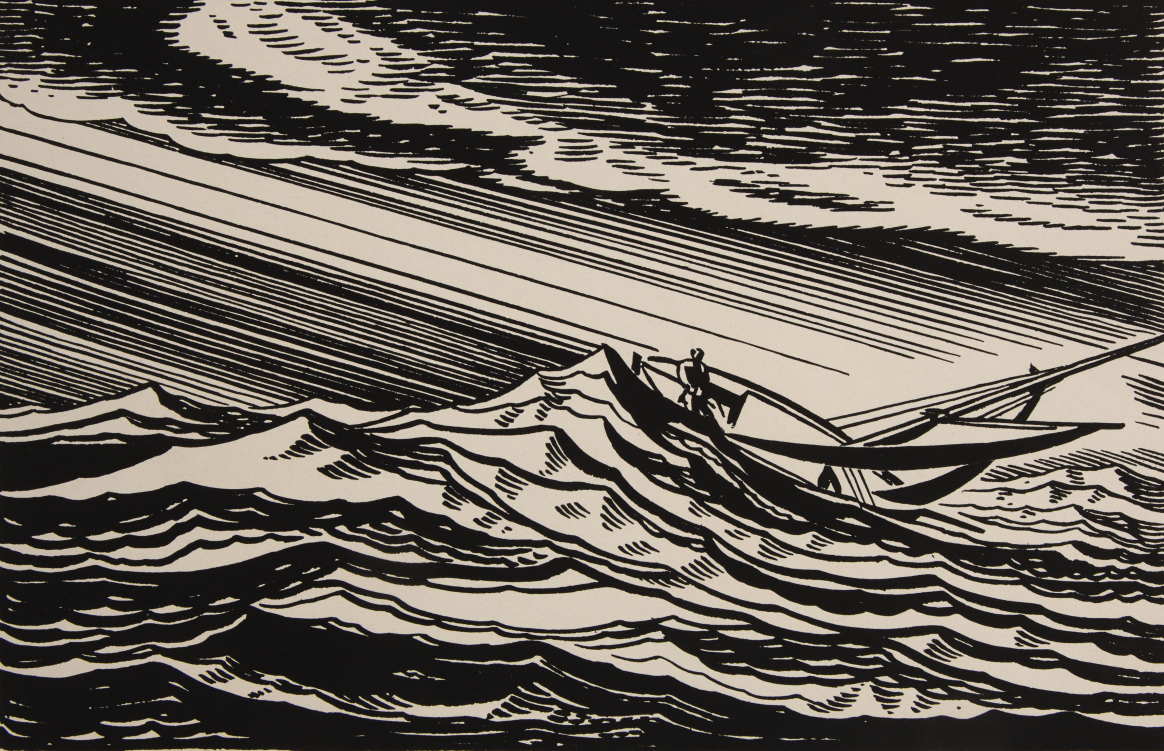
Portraits of maritime vessels and pictorial inventories of ports were popular subjects in early American art, and in the nineteenth century, ships also often took on a symbolic resonance. Representations of seafaring vessels carried layered meanings: they evoked naval power, technological ingenuity, far-reaching exploration, and growing networks of global commerce. Ships served as cultural, political, and economic intermediaries between Americans, their natural environment, and the global community. While some artists and writers chose shipwreck narratives to illustrate the dramatic conflict between man and sea, others instead employed the rich iconography of maritime culture to symbolize personal journeys or broader narratives of national progress.
Beyond artistic exchange, ships and seafaring images also register the United States’ transatlantic and global encounters. American vessels carried goods, people, and capital across the Atlantic, and seafaring was central to commerce, diplomacy, and imperial ambition. Ships and the routes they traveled gesture toward the economic ambition and political claims that linked the United States to the rest of the world.