

Labor and Leisure
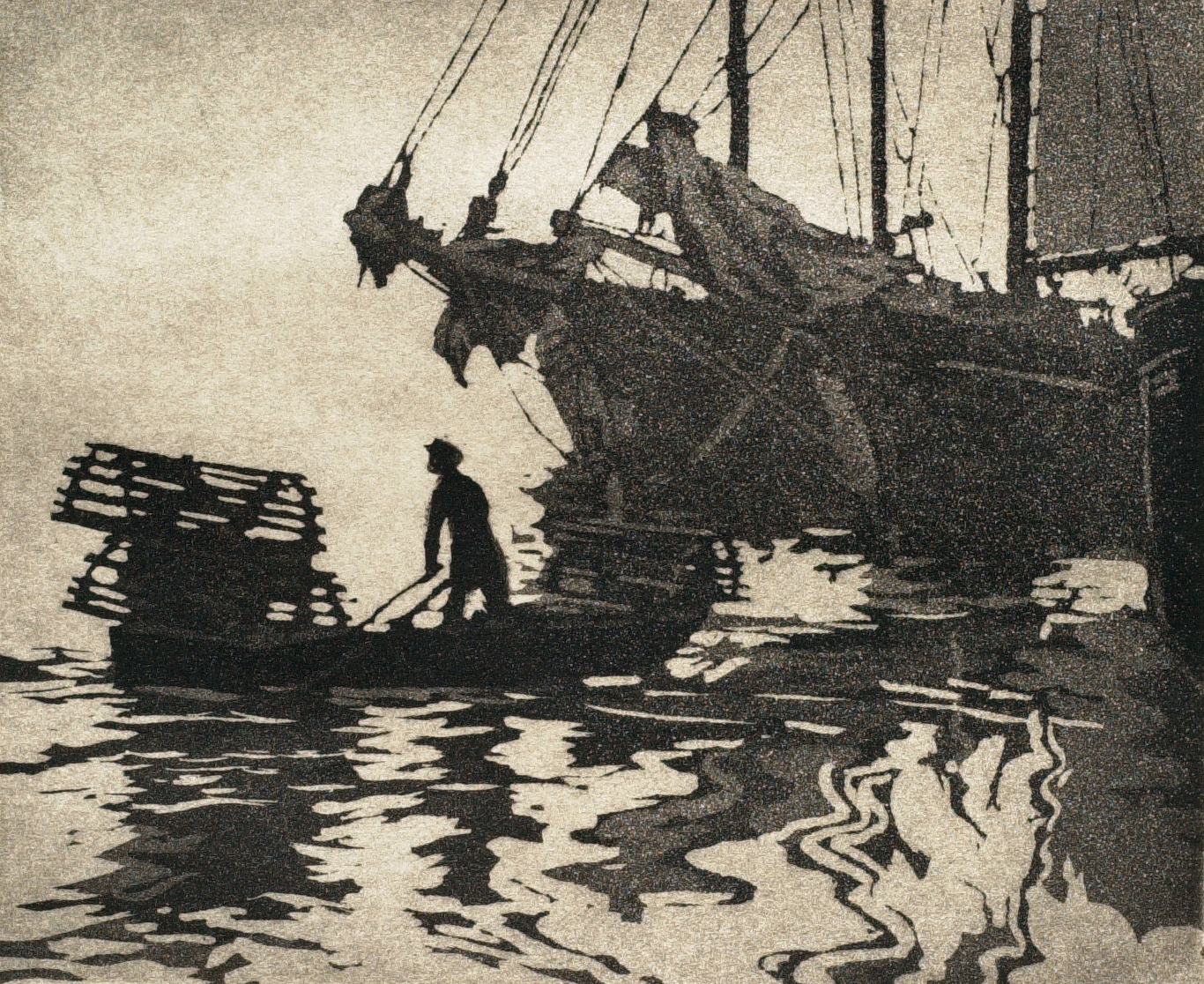
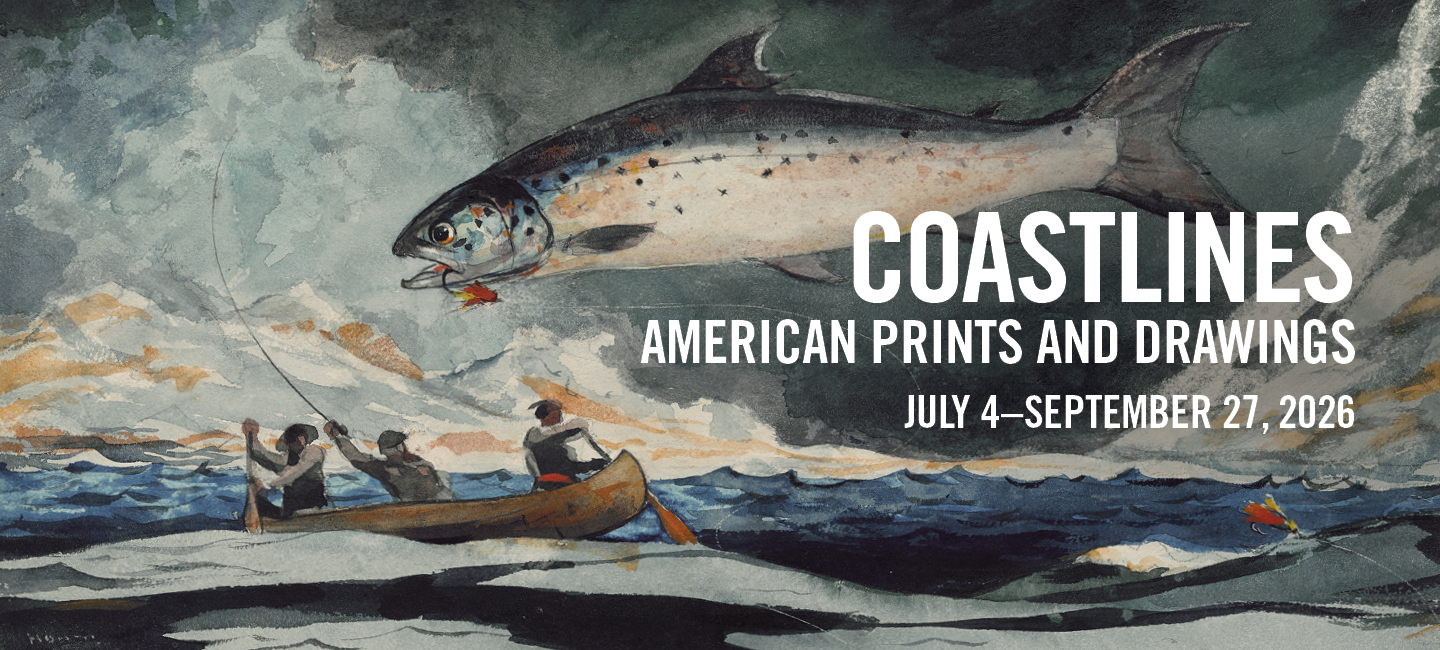
How do individuals and communities interact with coastal spaces? During the nineteenth and twentieth centuries, the coastline offered economic opportunity as a site of trade, industry, and communication in the growing young nation. As more people moved to and lived along the shore, communities dependent on the sea developed unique cultures and relationships to the coastline that were shaped by the ocean’s power and unpredictability. However, access to the Atlantic Ocean also made the coastline a destination for leisure. Over the last few decades of the nineteenth century, America’s tourism industry grew rapidly, and seaside resorts, recreational fishing, and beaches drew visitors seeking beauty and escape. Consequently, these dual modes of interaction—work and play—coexisted along the shore. American artists, inspired by both the intensity of maritime labor and the sublime landscape, often occupied a space between these two extremes: they settled in artist colonies, traveled widely, and worked enthusiastically.