episode 5:
THe EVIDENTIARY and THE BLACK BODY
“So, in a certain way, I think art history and law sort of share in the activity of verification, of collection, of ordering, of narrating a sequence of evidence over a period of time."
In this episode
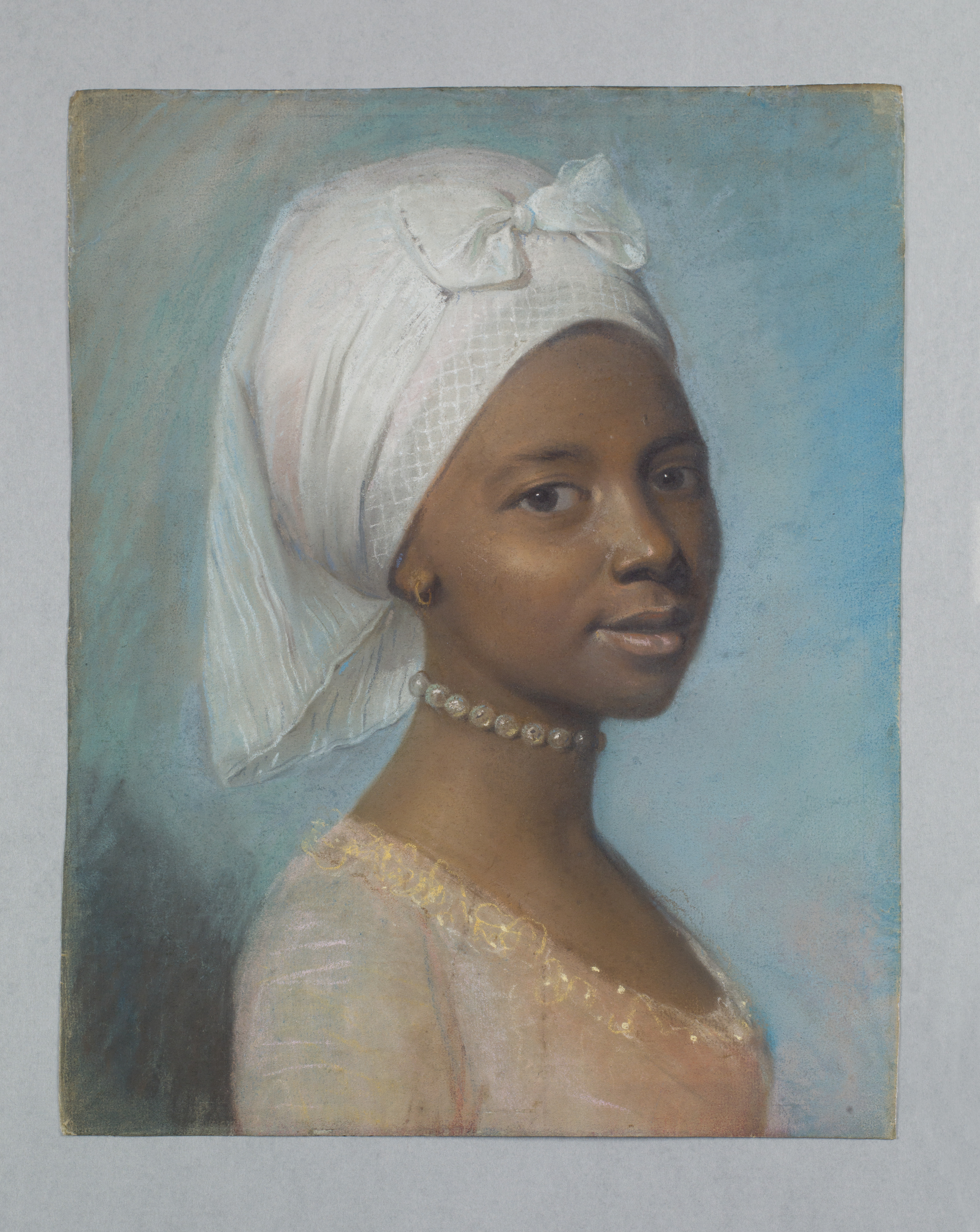
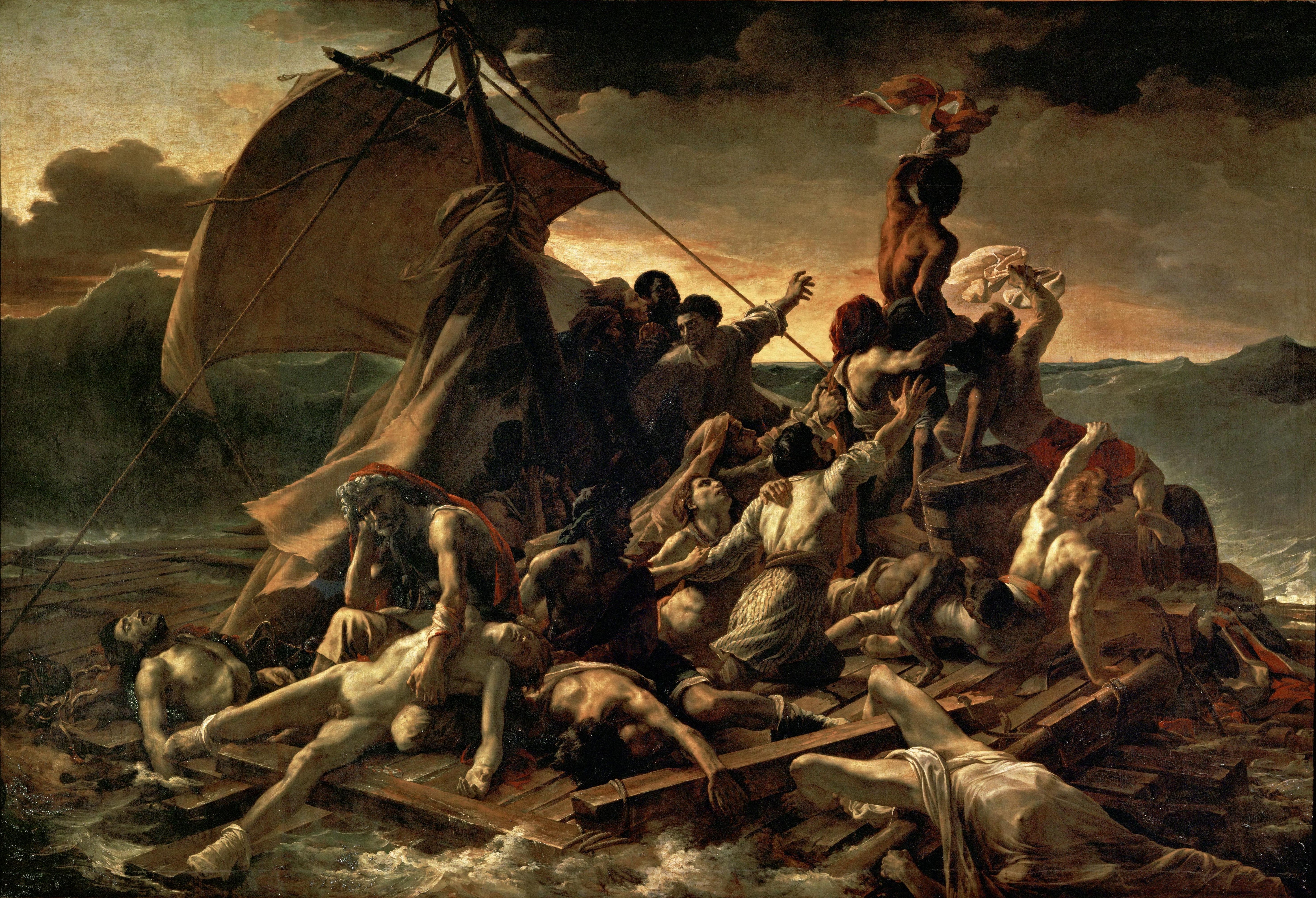
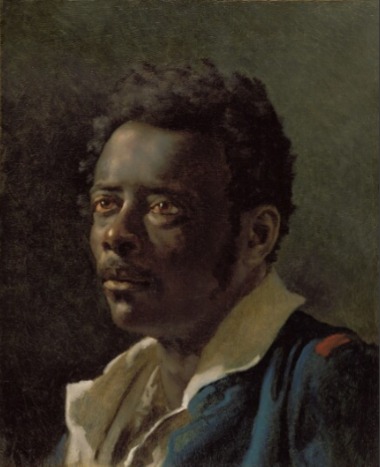
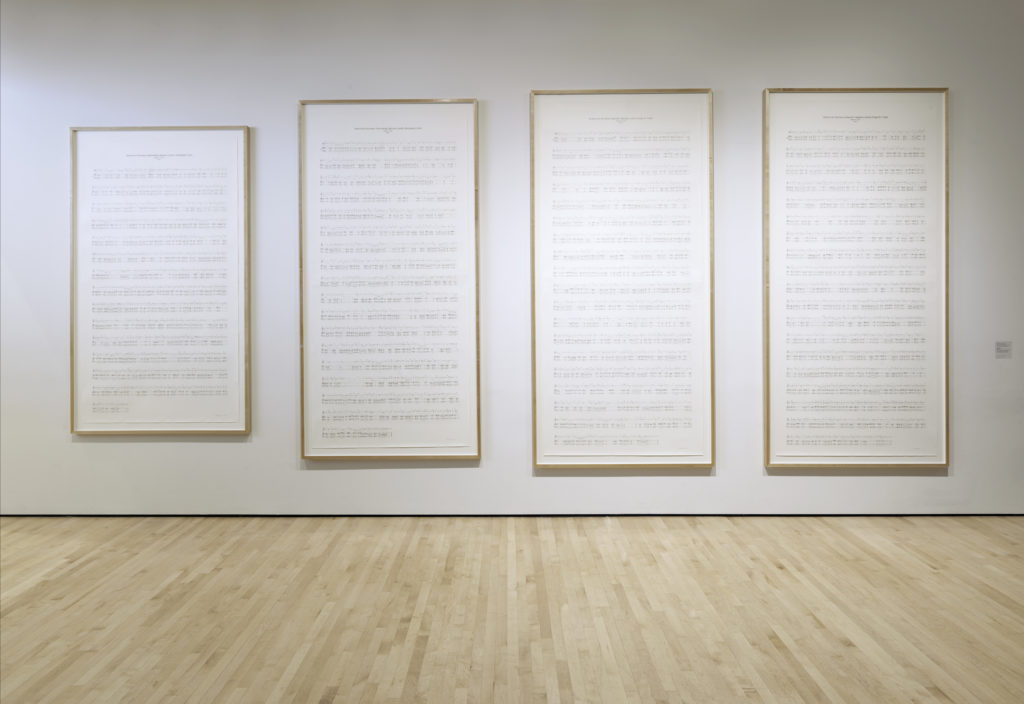
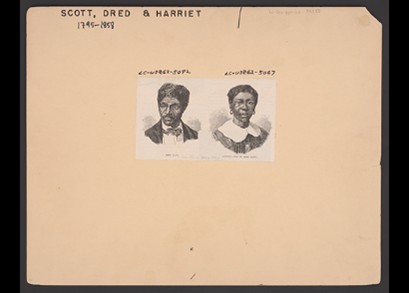
Erica Moiah James speaks with her friend and colleague, Sora Han. Erica and Sora were fellows at the Clark Art Institute together in 2024. While Erica was working on this project about representation in the Caribbean, Sora was working on a project about Charles Gaines, and his work Manifestos 4, which is a visual engagement with the Dred Scott decision of 1857, which denied Black people the right to citizenship, and therefore also the right to sue for their right to freedom. Sora is a legal scholar and comes to art history with a background in law. In this conversation, they discuss the stakes of naming, of using Black bodies and lives for “evidence,” and the ways in which seeking to name a portrait takes part in a discourse that extends beyond art history and into the legal sphere. In this concluding discussion, Erica discusses the stakes in art history, and the possibilities for art history as a discipline to allow society more broadly to rethink how images are deployed as evidence––on social media, in the courtroom, and beyond.
TRANSCRIPT

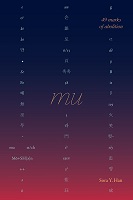
Sora Han is professor of Criminology, Law & Society and Comparative Literature at the University of California, Irvine. She was born in Oakland, California and raised in the San Francisco Bay Area. Her first book of poetry, to regard a wave, was published by Selva Oscura Press this year. She is also the author of Mu, 49 Marks of Abolition (Duke University Press, 2024); Letters of the Law: The Fantasy of Colorblindness in American Law (Stanford UP, 2015); and co-author of Comparative Equality and Anti-Discrimination Law, 3rd Edition (Edward Elgar, 2020). She lives in Oakland with her partner, Wellington Bowler, and their children, Kieran, Azure and Akira.
Artworks