

Episode 3 with judith noorman
In this episode
Caroline Fowler speaks with Judith Noorman on the category of the “woman artist,” examining its limits within feminist art history while acknowledging its strategic value. Noorman’s research on the 17th-century Dutch art market challenges entrenched assumptions by demonstrating the central role of women not only as artists but as patrons and consumers, notably through a re-evaluation of archival evidence surrounding Johannes Vermeer and his likely patron Maria de Knuijt. By exposing gendered biases in the interpretation of documents such as wills and probate inventories, the episode highlights how historiography has systematically obscured women’s agency.
TRANSCRIPT
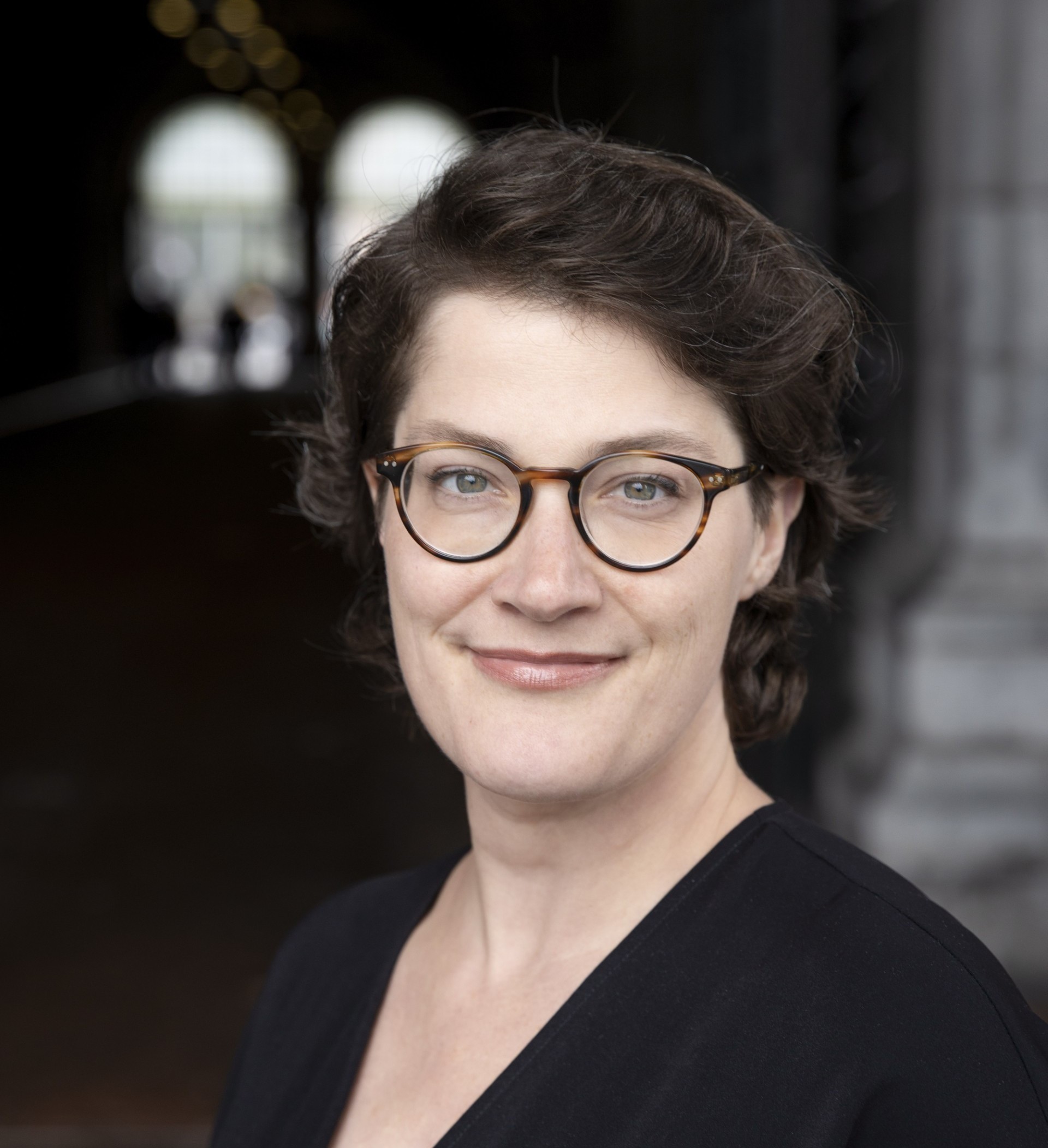
Judith Noorman is Associate Professor in Early Modern Art History at the University of Amsterdam and Principal Investigator of The Female Impact research project, which is funded by the Dutch Research Council (NWO). She is (co-)authored Het unieke memorieboek van Maria van Nesse (1588-1650). Nieuwe perspectieven op het huishouden (2022) and Art, Honor and Success in the Dutch Republic: The Life and Career of Jacob van Loo (2020). She also (co-)edited Women: Female Roles in Art and Society in the Netherlands (2024), Objects, Commodities and Material Cultures in the Dutch Republic (2024), De zeventiende eeuw (2021), Gouden vrouwen van de zeventiende eeuw (2020), and Rembrandt’s Naked Truth. Drawing Nude Models in the Golden Age (2016).